Postagens populares

Mostrando postagens com marcador Textos. Mostrar todas as postagens

quinta-feira, 22 de dezembro de 2016

Lazer e fazer

Escrevi esta coluna de uma praia do Caribe, onde tirei dez dias de férias.
Eu respeito muito as minhas férias. Sou de uma geração que se gabava de não tirar férias, de não saber ficar sem trabalhar, de não saber curtir o lazer.
O lazer é fundamental, inclusive para o meu trabalho. Como diz Diana Vreeland, os olhos têm que viajar. Não dá só para ficar "googlando a vida", é preciso ver a vida.
É preciso internacionalizar o pensamento, confrontar os parâmetros. Ter uma visão das coisas que estão acontecendo. E nunca foi tão fácil viajar.
St. Barth é uma ilha pequena e isolada no Caribe, sofisticadamente simples. Uma Trancoso mais barata, onde os frequentadores são o mundo. De dia, você toma banho no Caribe; à noite, você janta na França.
Adoro sua água cristalina, sua beleza. Mas, sobretudo, os "globe-trotters" que andam por aqui. Gente interessante como um livro que você lê. Adoro ler livros e pessoas nas minhas férias. E adoro fazer isso sem frescura, com sandália de dedo e short molhado o dia inteiro.
É bom demais. Revigora o meu corpo, recarrega a minha bateria e alimenta a minha cabeça.
Leio, leio, leio. Olho, olho, olho.
Converso, durmo e namoro a minha mulher. Meus clientes compram meus olhos, e eu tenho um olho no popular, e outro, no mundo.
Por isso, adoro viajar pelo planeta. Primeiro, porque ele é a nossa casa. E, segundo, porque o mundo é global e a cabeça da gente tem que ser também.
Jesus celebrou o lazer quando transformou água em vinho num casamento em que o vinho acabou. O primeiro milagre de Jesus é uma celebração, e uma celebração à vida.
Aristóteles diz que o sentido da vida é ser feliz. Amo o que eu faço e aprendi a amar não fazer nada nas minhas férias.
Fico longe do celular, não leio revista ou jornal (coisa que eu amo). Detox total. Só leio livros.
Algumas das melhores ideias que tive eu roubei do mundo. Sou um ladrão das ideias e das imagens, um ladrão das coisas geniais que as pessoas me falam.
Minha criatividade vem dos meus olhos e das minhas orelhas.
Eu me dedico profissionalmente ao lazer. Tanto para ser feliz (o sentido da vida) como para estar atualizado, para estar antenado com o mundo.
Por isso, disciplinadamente, eu programo as minhas viagens.
Neste ano tão cheio de dificuldades e com o dólar mais caro, vou conhecer o Peru e andar, claro, pelo nosso Brasil. Que o turismo tem de ser a nossa praia.
O brasileiro é um povo muito trabalhador, como apontam pesquisas que comparam a carga de trabalho aqui com o que se trabalha nos outros países do mundo. Mas o brasileiro sabe também curtir suas férias e seu lazer, como vemos nas nossas praias, nas nossas cidades, nas beiras de rio e nos parques.
A Copa do Mundo foi um sucesso fora de campo muito por causa de nossa capacidade de lazer, de diversão e de receber calorosamente os outros.
O que precisamos é levar o lazer e o turismo ainda mais a sério por aqui. O Ministério do Turismo num país como o Brasil tem de ser prioridade. Precisamos aprender com a Disney World a receber e a entregar para os turistas do mundo todo o que eles estão procurando. Assim eles virão e voltarão.
O que não pode é, com uma costa do tamanho da nossa, termos só uma Trancoso. Ou deixar as nossas cidades históricas morrerem e os nossos museus se depauperarem (como denunciou Elio Gaspari nesta Folha no domingo).
Eu levo o turismo e o lazer a sério. Foi um conselho de ouro que recebi da minha analista: "Você é tão bem-sucedido em sua vida profissional, seja bem-sucedido também no seu lazer".
Essa frase é genial. Jesus diz isso quando elogia a irmã que refresca seu pé enquanto a outra fica no trabalho e não lhe dá atenção.
Portanto, quando eu tiro férias, estou trabalhando. E, como eu amo o que eu faço, quando eu trabalho, estou me divertindo.
O lazer e o trabalho retroalimentam o executivo moderno.

quinta-feira, 6 de fevereiro de 2014


A elegância no comportamento

Martha Medeiros


Existe uma coisa difícil de ser ensinada e que, talvez por isso, esteja cada vez mais rara: a elegância do comportamento. É um dom que vai muito além do uso correto dos talheres e que abrange bem mais do que dizer um simples obrigado diante de uma gentileza.

É a elegância que nos acompanha da primeira hora da manhã até a hora de dormir e que se manifesta nas situações mais prosaicas, quando não há festa alguma nem fotógrafos por perto.

É uma elegância desobrigada.

É possível detectá-la nas pessoas que elogiam mais do que criticam. Nas pessoas que escutam. E quando falam, passam longe da fofoca, das pequenas maldades ampliadas no boca a boca.

É possível detectá-la nas pessoas que não usam um tom superior de voz ao se dirigir a frentistas.

Nas pessoas que evitam assuntos constrangedores porque não sentem prazer em humilhar os outros.

É possível detectá-la em pessoas pontuais.

Elegante é quem demonstra interesse por assuntos que desconhece, é quem presenteia fora das datas festivas, é quem cumpre o que promete e, ao receber uma ligação, não recomenda à secretária que pergunte antes quem está falando e só depois manda dizer se está ou não está.

Oferecer flores é sempre elegante.

É elegante não ficar espaçoso demais.

É elegante você fazer algo por alguém e este alguém jamais saber o que você teve que se arrebentar para o fazer...

É elegante não mudar seu estilo apenas para se adaptar ao outro.

É muito elegante não falar de dinheiro em bate-papos informais.

É elegante retribuir carinho e solidariedade.

É elegante o silêncio, diante de uma rejeição....

Sobrenome, joias e nariz empinado não substituem a elegância do gesto.

Não há livro que ensine alguém a ter uma visão generosa do mundo, a estar nele de uma forma não arrogante.

É elegante a gentileza; atitudes gentis falam mais que mil imagens...

Abrir a porta para alguém? É muito elegante.

Dar o lugar para alguém sentar? É muito elegante.

Sorrir, sempre é muito elegante e faz um bem danado para a alma...

Oferecer ajuda? Muito elegante.

Olhar nos olhos ao conversar? Essencialmente elegante.

Pode-se tentar capturar esta delicadeza natural pela observação, mas tentar imitá-la é improdutivo.

A saída é desenvolver em si mesma a arte de conviver, que independe de status social: é só pedir licencinha para o nosso lado brucutu, que acha que "com amigo não tem que ter estas frescuras".

Se os amigos não merecem uma certa cordialidade, os inimigos é que não irão desfrutá-la.
Educação enferruja por falta de uso.

E, detalhe: não é frescura.

segunda-feira, 3 de fevereiro de 2014

Things I Wish Someone Told Me When I Started Cooking


I wasn’t sure I heard her right.
“Excuse me?” I asked.
“What’s up with the flat bags?”
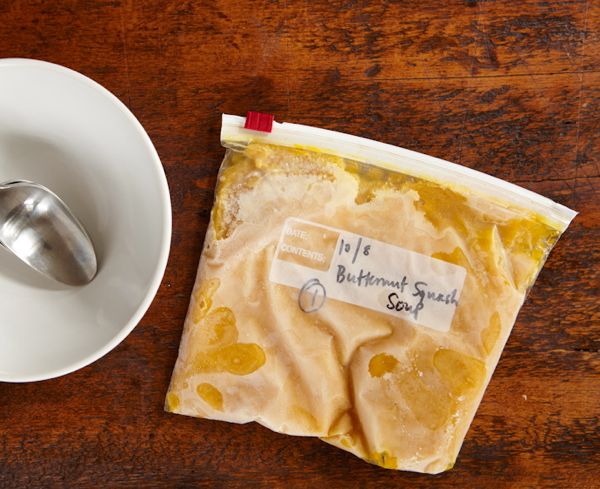
I heard her right. The question came from the photographer’s assistant during the DALS Book photo shoot a few weeks ago. She was in her twenties, hailed from Williamsburg. I didn’t get a peek at her iPod, but I feel certain it would be loaded with songs by the Yeah Yeah Yeahs and the New Pornographers. In other words, bands I’d never heard before. She was referring to the bags of chilis and soups in my freezer — I always freeze dinners in flattened Ziplocs. When you do it that way, you save time (by thawing whatever is frozen under running water for 60 seconds) and you save space. (After your soup or stew is frozen, you can file the bag in your freezer like a book in a bookshelf.) How did she not know this?
Most likely because she hadn’t spent six years of her life at Real Simple or four years editing the food pages of Cookie. I need to remember that not everyone is a former magazine editor walking around with a mental catalog of time-saving, money-saving, energy-saving, sanity-saving, life-saving, surefire, guilt-free, guaranteed fool-proof, plan-ahead, stress-free, problem-solving shortcuts, tips and tricks. (And yes, in case you are wondering, all those words consistently scored the highest with the focus groups.) I need to remember that not everyone out there feels comfortable with recipe-writing language that calls for a “handful of beans” or a “pinch of cayenne.” (Don’t literally pinch cayenne, especially if you are using those same pinchers to remove contact lenses an hour later.) I need to remember that calling for lemongrass in a recipe is a potential deal-breaker and that calling for a  ”large” can of whole tomatoes is going to elicit this comment from my book editor, Lee: “Ounces please! Lord, define large!” This is why she is so awesome. Not only because I can hear her southern drawl through the most miniscule of notes, but because she yells at me now so you won’t have to later.
Anyway, in honor of all of you out there who don’t know to store your folded garbage bags inside the garbage can (so you can conveniently grab a replacement as soon as you discard the full one –classic Real Simple tip ) or that adding skim milk to boiling liquid is going to result in curdling (classic Jenny screw-up), here are a list of things I wish someone told me fifteen years ago, when I was the one with the loaded iPod (Sony Walkman?) who did not understand the kind of happiness that a quick-thaw might someday bring me.
1. Don’t ever make recipes (or trust cookbooks) that have overly cutesy recipe titles like “Struttin’ Chicken.” These kinds of dishes rarely have the kind of staying power that a good simple Roast Chicken will. (Grilled Chicken for People Who Hate Grilled Chicken is the obvious exception.)
2. Buy  yourself a pair of kitchen scissors. You will use them to snip herbs. You will use them to chop canned whole peeled tomatoes that have been dumped and contained in a 4-cup Pyrex. You will use them to snip spinach right in the skillet as the spinach wilts. Spinach! As long as we’re on the subject: always make more of it than you think you need. This way you will not find yourself in the position of having one cupcake-sized mound of sesame spinach for your whole family of four to share.
3. Some Type-A behaviors worth stealing: Do everything you can in advance when you are having people over for dinner. No matter how easy and tossed-off the task  may be. No matter how many times your partner-in-crime says, Why don’t we just do that later? Filling a sippy cup takes 30 seconds! If you forgo this advice and do nothing in advance, at least make sure you start off the evening with an empty dishwasher. You will thank yourself a few hours and a few cocktails later when staring at the mountain of greasy plates in the sink. Lastly, if at all possible, go to sleep with a fresh trash bag in the kitchen garbage can. I find it somewhat soul-crushing to see last night’s dinner scraps piled up before I’ve had my morning coffee. And I sleep better when I know it’s empty. (See: Type A.)
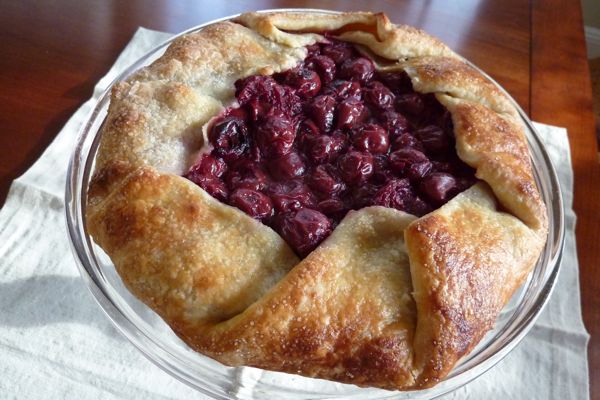
4. Brushing dough with a quick egg-wash is the secret to getting that shiny, lacquered, I’m-worth-something-after-all glow to your pies, breads, and cherry galettes (pictured above). This comes in especially handy when trying to pass off storebought crust as homemade. Whisk one egg with a fork, then use a pastry brush to cover every inch of the exposed crust before baking.
5. Meat will never brown properly if you add it to the pan when it’s freezing cold and wet. (And browning properly is where you’re going to get most of your flavor.) It should be patted dry and room temperature. Unless you have just walked in the door, it’s 7:30, the kids are screaming and the instruction to “bring it to room temperature” is the instruction that will make you swear off family dinner forever.
6. Add acid. A drizzle of vinegar, a spoonful of tangy buttermilk, a simple squeeze of lemon or lime will always add brightness to an otherwise boring and flat dish. I’ll never forget an interview I read with Mario Batali that reconfirmed this: He said the easiest way to pretend you know what you’re doing in the kitchen is to talk about the “acidity” level of a dish.
7. Never use the phrase “pun intended” or “no pun intended.” Oh sorry! That’s from my “Things I Wish Someone Told Me When I Started Writing” list.
8. Learn the correct way to slice and dice an avocado. You will not only save time, energy, sanity [insert up to 4 more Real Simple focus group words here] by doing this, but you will find yourself giving tutorials to awed, in-the-dark observers every time you make guacamole in front of them.
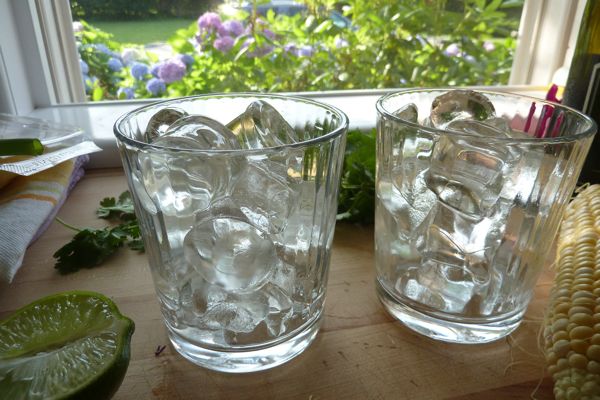
9. Ice in the cocktails, people. Don’t be stingy. Nothing worse than a lukewarm Gin and Tonic.
10. You won’t get arrested if you leave out an ingredient or replace it with something that’s not called for. That doesn’t mean leave the shrimp out of the shrimp and grits, but if you don’t have scallions for the chopped salad, or if you don’t have red wine called for in the braised pork, take a look around and see what else might stand in for what’s missing. Every time you do this and it works, you’ll be a little more confident in the kitchen. And every time you do this and it doesn’t work, you have one more good story to tell.

quarta-feira, 4 de dezembro de 2013

CONTRA A CAFONICE - FELIPE MOURA BRASIL


Contra a cafonice

[Versão revisada e ampliada da minha crônica de 30 de outubro de 2012, que não resisto a publicar aqui, dado o Halloween diário brasileiro, cada vez mais alarmante. Oremos:]
 
Benditas sejam as moças de vestido sem brilhos, ombreiras e tantos babados, sem cintos de couro, barbante, metal, muito menos fivela; e jamais embaladas a vácuo, pois que a sensualidade, para além da atitude, está mais no detalhe do tecido que roça o corpo em movimento que no grude integral ao corpo estático.
 
Benditas sejam as moças de calça jeans e blusinha branca ou preta, sempre básicas por ruas e bares – como aliás pedem as ruas e os bares, nas calçadas da Pavuna ou do Leblon -, e quiçá de alcinha, como quem dá de ombros aos excessos da moda e leva o sorriso à frente da roupa.
 
Benditas sejam as moças que não saem para tomar um chopinho como quem vai para um casamento, e nem vão para um casamento como quem vai para um Halloween.
 
Benditas sejam as moças capazes de colocar um shortinho e um par de chinelos, e descer em 5 minutos se o homem diz que está passando na portaria, conscientes de que nada é mais elegante que uma mulher despojada e segura de si.
 
Benditas sejam as moças de sandalinha rasteira, sempre baixa, mas, em último – e somente último – caso, aptas a andar e sambar de salto, porque é o samba que dá a medida – mesmo que a ocasião não obrigue ao samba – da altura que uma mulher pode ter.
 
Benditas sejam as moças de bolsas funcionais e discretas – adeus, correntes douradas -, daquelas que jamais atrapalham o abraço, nem substituem a lanterna em caso de apagão, muito menos parecem, redondas, uma capa de pandeiro ou tamborim.
 
Benditas sejam as moças atléticas, que, ao se vestirem, buscam mais suavizar seus atributos – para fugir ao exibicionismo das periguetes turbinadas – do que ocultar seus defeitos – pendurando a saia nos seios, por exemplo, para encobrir a bunda faltante – e ainda dispensam a mão na cintura para tapar o pneuzinho no álbum de fotos.
 
Benditas sejam as moças leves, práticas e apresentáveis à família de seu pretendente, que não se deixam transformar em bonecas russas ou árvores de Natal, daquelas que, de tantas camadas (peças de roupa e cosméticos) e enfeites (colares, pulseiras, braceletes, brincos, pingentes e anéis), um homem precisaria de dois ou três Dias de Reis para desmontar.
 
Benditas sejam as moças que se sabem bonitas, pois nada é mais feio que uma moça bonita que tenta, à força de maquiagens, parafinas e demais pilantragens, ser aquilo que, sem elas, já é.
 
Benditas sejam as moças feias que se embelezam pela força de sua personalidade, de seu caráter e das suas realizações, bem como pela via dos exercícios físicos, ao invés de buscar a solução agravante de um artificialismo (cirúrgico) qualquer.
 
Benditas sejam as moças, bonitas ou feias, cujos pais – sobretudo o pai -, quando não também os demais homens de sua vida, disseram-lhe sempre ser a coisa mais linda do mundo, transmitindo a elas a confiança necessária para ignorar os apelos publicitários, que lhes prometem uma beleza inalcançável à base de todos os produtos que as enfeiam cada vez mais.
 
Benditas sejam as moças curiosas, inquietas e interessadas, que enxergam além das próprias mães e miguxas, sabendo que o senso estético vem do berço e do ambiente, mas, como tudo o mais, pode ser desenvolvido com a ampliação do imaginário e a elevação do espírito, através de um conhecimento que não é servido no Open Bar.
 
Benditas sejam as duas ou três moças que sobraram por aí, imunes ao império da cafonice não (só) pela sorte de terem tido bons exemplos, mas (também) porque, diante do acesso ilimitado aos bens de consumo, conservam o desejo quase extinto de ser muito mais do que aquilo que podem comprar.
 
Benditas sejam as moças que são.
 
*****
 
Felipe Moura Brasil é colunista de VEJA e, apesar dos pesares, sabe que no peito de uma “árvore de Natal” também bate um coração.

EDUCAÇÃO: OS FRANCESES E AS CRIANÇAS


Famílias francesas são adotadas como modelo em livros sobre como educar filhos


MARIANA VERSOLATO

EDITORA-ASSISTENTE DE "CIÊNCIA+SAÚDE"

Crianças que saboreiam pratos repletos de legumes, dormem no mesmo horário todos os dias sem reclamar e não matam os pais de vergonha com ataques de birra em público podem parecer um sonho para muitos pais.
Não na França, onde essa é a regra, e não a exceção --ao menos segundo dois livros lançados neste ano no Brasil e que retratam as crianças francesas como exemplo de boas maneiras e alimentação.
Para os pais que sentem que os filhos tomaram as rédeas da casa, as obras podem parecer uma tábua de salvação, a julgar pelos títulos.
"Crianças Francesas Não Fazem Manha" (R$ 29,90, 269 págs., ed. Fontanar), da jornalista americana Pamela Druckerman, e "Crianças Francesas Comem de Tudo" (R$ 44,90, 320 págs., Editora Alaúde), da canadense Karen Le Billon, tratam do choque cultural que essas duas mulheres sentiram ao se mudarem para a França e criarem seus filhos no país.
Davi Ribeiro/Folhapress
A professora de francês Corinne Alexandre e seus dois filhos, Lorenzo, 5, e Leonardo, 1 ano e 10 meses, em sua casa em São Paulo
Druckerman, que é mãe de três crianças e vive na França há dez anos, explica que há uma crise global nas famílias de classe média, todas com medo de dizer "não".
"Os pais do mundo todo estão em busca de alternativas à 'criação intensiva', que dá tanta atenção e poder aos filhos. Os franceses não são perfeitos, mas são um contraponto a esse modelo porque são mais conservadores e pragmáticos", disse àFolha.
Em 2014, será lançado no Brasil o novo livro de Druckerman, "French Parents Don't Give in" (algo como "Pais franceses não cedem", ainda sem título definido em português).
A base das orientações é impor limites, e um dos conceitos-chave é o que a autora apelidou de "pausa": não socorrer a criança imediatamente sempre que ela chamar e ensiná-la a esperar a vez --não interromper os pais quando estão conversando, por exemplo. A "pausa" ajuda os pequenos a desenvolver o autocontrole e lidar com a frustração.
Ela ressalta que muitos desses conceitos não são novos nem tão "franceses", mas diz que as famílias da França são boas em manter o que funciona. "Muitas das ideias `francesas' parecem simplesmente baseadas em bom senso."
ORIGEM DA TIRANIA
Para a psicanalista Marcia Neder, autora de "Déspotas Mirins", o segredo da criação francesa está na importância que os adultos dão para a relação amorosa.
"O casal não se torna 'papai' e 'mamãe'. A criança é importante, claro, mas ela deve se adaptar à vida dos pais, e não o contrário. Em muitos países, incluindo o Brasil e os EUA, nada é mais importante que o filho, e por isso ele ganha tanto poder", afirma.
No Brasil, diz ela, a renúncia à vida amorosa está ligada ao sacrifício que as mulheres precisam fazer para provar que são boas mães.
"A raiz da tirania dos filhos está numa idealização da maternidade de que é preciso amar o filho acima de nós mesmos. Se ele chora, você precisa sair correndo ou será considerada relaxada e egoísta. Não é permitido ter raiva ou exigir muito da criança."
Segundo a filósofa Tania Zagury, professora da UFRJ e autora do livro "Limites sem Trauma", a ideia de que os limites poderiam causar problemas emocionais aos filhos deixou os pais inseguros. "Há cerca de 30 anos os pais diziam "não" sem problemas. Hoje, sentem-se monstros quando fazem isso."
Alex Argozino/Editoria de Arte/Folhapress
À MESA
As regras e os limites também aparecem à mesa. Parece mentira, mas no livro "Crianças Francesas Comem de Tudo", a canadense Karen Le Billon conta que as comidas preferidas de sua filha Sophie, 7, são beterraba, alho-poró e mexilhões.
Antes de ela e a família irem para a França o jantar era um "purgatório", mas depois aprenderam o que ela chama de "regras de ouro". Uma delas é não separar "comida de adulto" e "comida de criança". A outra é fazer refeições em família e desfrutar desse momento.
"Para nós, o prazer de comer é primordial. Comer não é só nutrir; é um momento de relaxar e compartilhar", diz Sophie Deram, nutricionista do ambulatório de obesidade infantil do Hospital das Clínicas da USP que mora há 14 anos no país.
A diferença na alimentação entre Brasil e França foi o que mais chamou a atenção da professora de francês Corinne Alexandre, 40, mãe de Lorenzo, 5, e Leonardo, de 1 ano e dez meses, que mora em São Paulo.
"As comidas são muito doces e há muito sal. Bebida açucarada na refeição também não faz parte da nossa cultura. Para os brasileiros, acho que pareço rígida. Às vezes é um pouco frustrante porque tentamos fazer o melhor com as nossas referências."
Já a consultora da indústria farmacêutica Katherine Alter, 44, que mora no Brasil há dois anos com o marido e os dois filhos, se assustou com a quantidade excessiva de comida.
"Fico incomodada com festas nos bufês infantis porque em três, quatro horas são servidos muitos alimentos calóricos e refrigerante à vontade", diz ela. Na festa de quatro anos do filho dela, na França, o momento da refeição era bem definido. Todas as crianças dão uma pausa na atividade que estão fazendo para sentar-se à mesa e desfrutar dos quitutes.
Todas elas, no entanto, criticam o estereótipo da criança francesa que sempre come e se comporta bem. "É como dizer que toda mulher francesa é magra", diz Deram.
Katherine também faz críticas à tão elogiada educação francesa. As escolas de lá, por exemplo, podem ser muito críticas e tratar as crianças de forma ríspida, afirma.
"Na França, espera-se que as crianças se comportem em restaurantes e quem sai da linha é criticado. Isso pode ser positivo, mas pode ter efeitos negativos na autoestima delas. É um alívio chegar em um restaurante no Brasil com dois meninos pequenos e ser cumprimentada por pessoas felizes em ver crianças."
Para especialistas, livros como esses não devem ser necessariamente copiados em casa, mas podem servir de inspiração para uma vida em família menos caótica.
"Em vez de importar as regras de outra cultura, o ideal é construir seu próprio modelo. Os pais precisam entender que o papel deles não é deixar o filho feliz o tempo todo, mas garantir uma formação para a vida. A partir daí, é confiar na própria intuição", afirma Zagury.

segunda-feira, 2 de dezembro de 2013

CULTIVANDO BONS HÁBITOS


11 Tips to Cultivate Good Habits


 “We are what we repeatedly do. Excellence, then, is not an act, but a habit.” –Aristotle
With all of the bits and pieces of information we have to remember on a daily basis, relying on habits that require our minds to “just go with it” is a relief – that is of course if the habit is something that contributes positively to our lives and propels us closer to our goals.
Throughout each day, we engage in habitual behavior, whether it is the food we choose to eat and how much, the ideas we have churning inside our minds, the mannerisms we display toward others and even how we move and master skills we are expected to do regularly – driving, opening the door, cooking, taking a shower, etc.
It is important to realize how many habits we engage in each day because at some point these were not behaviors we practiced.  Ever habit is introduced to us. We learn it and then we mindlessly let it continue because for some benefit or ease it works in our lives.
Keeping that in mind, if there is a new habit we would like to bring into our lives, we must accept that it will take time, but eventually it will become robotic if we practice it consistently.
One of the main reasons incorporating new habits into our lives is initially considered is because we want to change the quality or direction of our lives. In order to reach certain goals, whether it is weight loss, financial security, a healthy self-respect or strong relationships as examples, we must cultivate new habits thereby letting go of old and unhelpful ones.
So today I want to share with 10 tips on how to successfully acquire and welcome into your life new habits that improve the quality of your life, as I have experienced success by following them as well.
1. Be very clear and focused
With anything we choose to attain, we must first know what we want.  Before attempting to change anything, be very clear about the change you want to see in your life. For example, I wanted to improve my flexibility and at the same time find more tranquility in my life. Over 15 months ago I began taking a weekly yoga class and while my flexibility didn’t improve immediately, it eventually did progress to a point I never thought would be possible, and I also find myself much calmer going about other daily business.
2. Use positive motivating rewards
As we begin the process of toning new muscles so that the habit we wish to acquire becomes a part of our body’s memory, the constant requirement to make the decision that keeps us on track can exhaust us.  Knowing this ahead of time is crucial, and so I highly suggest you create a reward system that is motivating enough to keep you on track, but doesn’t detour the progress you have already made. For example, trying to follow a more balanced and healthy diet, I have limited myself to two desserts a week and no cookies (they are my vice, I just can’t stop eating after one or two or three). On the days in which I don’t eat dessert and I eat three balanced meals and a snack, I reward myself by eating one Arrowhead Chocolate truffle at bedtime. A simple positive motivating reward and doesn’t detour my efforts thus far.

3. Give it time
For anything to become engrained in our memory it takes 7-11 times of successful repetition, and if it isn’t something you do daily, it takes about three to four weeks. I highly suggest getting the habit started and then become busy focusing on something else entirely. It is natural to want to see results immediately and when we don’t, to become frustrated, but the first initial period is the most difficult, so try to begin, stick to it and forget about it.
4. Start simple
“Incremental change is better than ambitious failure” ~ Tony Schwartz
Setting a simple goal of one exercise class at the gym a week or limiting your daily pop intake to one or two fewer than you normally do is fine, as long as you stick to it. One of the reasons I only attended one yoga class a week when I started was because I didn’t want to burn out.  By doing this, I did eventually increase to two classes a week, but I didn’t beat myself if I only made it to one based on how busy my schedule was.
5. Get rid of temptation
Revamp the grocery list, choose to be surrounded by supportive and uplifting people or stop watching commercials when the hunger urge arises. Whatever the goal, if you are trying to change something in your life, there will be something you will have to eliminate or reduce from your life currently. For me, in the past if I had chocolate chips in the pantry, I too often would immediately bake a batch of cookies without thinking too much about it.  By not shopping for them and refusing to bring them into the house, I have eliminated the need for even more self-discipline.
6. Regarding results, be patient. Focus on day-to-day.
When you begin to see results, it can be tempting to let it slide and step back into your old habits for what you say will just be once, but the reality is if you keep revisiting them, you will never remove them from your mind’s memory. Appreciate and celebrate that you have made progress, but then focus on the day-to-day of following your new habit.
7. Be clear about your intentions
Make sure that the new habit that you want to bring into your life is because of something you want to achieve for yourself, not for someone or something else.  In other words, make sure it is to improve your health, not to simply look better in a bathing suit.  While looking in a bathing suit would be nice, it is easier to dismiss this reason when things become a bit more difficult.
8. Understand the long term and immediate benefits.
As stated in tip #1, once you become clear about what you want to change and what you want the new habit to bring into your life, also investigate all of the other possible benefits that may occur. For example, while your health is the long term benefit of eating right and exercising regularly, other benefits will be a renewed self-confidence, more energy for day to day tasks, ability to stock up your sick days instead of using them on sniffles you could have prevented simply by building up your immune system. The idea of making a list of all the possible benefits is to increase your motivation and help you to become your very own coach for the game of life.
9. Post your goal somewhere safe.
Simply stating a goal in your head will be far less effective than writing it down as well. Whether you place it on your inspiration wall, your journal, or on the fridge, be sure it is somewhere that you can revisit to see how you are progressing.
10. Tell someone you trust.
By telling someone you trust, you are adding an extra bit of accountability. For me personally, I don’t need someone to harp on me,but just knowing that someone else knows what I’m trying to achieve and will be there to celebrate when I finally achieve my goal is a nice extra “umphff” of motivation.  Something else I do because of past experience is that I tell my trusted someone after I have successfully practiced my new habit for at least two to three weeks.  Why, you might ask? I first need to know that I can do what I’ve set out to do and to make sure it truly is something I want.  Once I realize that the answer to both of these questions is yes, then I’ll bring someone else on board knowing I’m not just full of hot air and won’t be wasting their time.
11. Appreciate how far you’ve come and allow that to be part of your motivation to continue.
The best motivation to continue doing what you’re doing is knowing how long you’ve incorporating a new habit into your life. Early in June I began walking my dogs in the morning between 5:30 and 6am and while when I began I wasn’t going to school, I still tried to cultivate a habit of walking early  because I knew that when school began I would want to be used to this particular time. After having successfully walked every morning for the past three months (except two due to travel), once school started, I wasn’t going end my streak. The thought of breaking this habit after how far I had come was part of my motivation to get out of bed so early each morning.
Whatever new habit you are contemplating bringing into your life, take some time and determine why exactly you want to change.  Once you are clear and have a direction, be patient with yourself and know that this habit will become a part of your life just as so many others have become with time and consistent effort. It all comes down to making conscious daily decisions. Have a wonderful week everyone!

terça-feira, 12 de novembro de 2013

“Difamação pura” – Um artigo de Olavo de Carvalho

Leiam um artigo de Olavo de Carvalho publicado no “Diário do Comércio” (os negritos são meus).
*
Meu artigo “Nem um pouquinho” veio com um erro: o colunista Rodrigo Constantino não entrou na Folha, mas no Globo e na Veja. Quem foi para a Folha junto com o Reinaldo Azevedo foi o Demétrio Magnoli. Qualquer que seja o caso, a observação que fiz sobre as reações indignadas dos mandarins da esquerda foi exata, apenas incompleta. Esqueci de enfatizar que essas reações não se voltavam contra isto ou aquilo que os articulistas tivessem escrito, mas contra a sua simples presença na mídia. Não se tratava de refutar opiniões, mas de cortar cabeças.
Também deixei de observar que os apelos à guilhotina não vieram todos de fora, mas alguns apareceram nos próprios jornais onde os novos colunistas estreavam. Nunca, nunca, em toda a história da mídia brasileira, se viu uma pressão coletiva de jornalistas pela expulsão de algum colega socialista ou comunista da redação de qualquer jornal, estação de rádio ou canal de TV.
A solidariedade de classe entre os jornalistas brasileiros é só para os comunistas e seus companheiros de viagem. Até os direitistas correm para protegê-los, como se viu tantas vezes no tempo dos militares. Mas o infeliz liberal ou conservador, pego em flagrante delito de escrever artigos para a grande mídia, não tem perdão. É abandonado até pelos seus correligionários.
É verdade que os jornalistas da direita vêm ganhando algum espaço, mas no Brasil a esquerda está tão acostumada a mandar sozinha na mídia, que se escandaliza e espuma de raiva com isso. Em qualquer país decente, a direita e a esquerda repartem mais ou menos equitativamente os meios de difusão. No Brasil, quando a direita salta dos dois por cento para os cinco por cento, já é o alarma geral, em tons sinistros de quem anuncia um golpe de Estado. Um dos indignados, o indefectível Paulo Moreira Leite, mente como um vendedor de terrenos submarinos ao dizer: “Quem estava no centro foi para a direita. Quem estava à direita foi para a extrema-direita.” Constantino, Azevedo e Magnoli, desde que estrearam como colunistas, não mudaram de convicções em absolutamente nada. Foram os censores esquerdistas, como o próprio Moreira Leite, que, estreitando cada vez mais a área do direitismo permitido na mídia, passaram a rotular simples liberais de “extremistas de direita”, tentando criminalizá-los. Moreira Leite confunde maquiavelicamente a régua com o objeto medido.
Mais obsceno ainda é Antonio Prata, da própria Folha, que, imaginando fazer sátira, escreve: “Como todos sabem, vivemos num totalitarismo de esquerda. A rubra súcia domina o governo, as universidades, a mídia, a cúpula da CBF e a Comissão de Direitos Humanos e Minorias, na Câmara” – uma descrição bem exata e literal do estado de coisas. Tanto que vários leitores levaram a afirmativa a sério e a aplaudiram. O autor teve de avisar, “ex post facto”, que pretendera fazer piada. No meu tempo de ginásio, quem quer que ignorasse que não se satiriza a verdade tiraria zero de redação. Mas, para expulsar os liberais e conservadores da mídia, vale até um colunista se expor ao ridículo. Tudo pela causa.
Voltando ao sr. Moreira Leite, sei que é inútil tentar levar alguém como ele a um debate sério, mas, para dar aos leitores uma ideia de quanto o uso atual do rótulo de “extrema direita” na mídia é abusivo, notem esta distinção, que toda a ciência política do mundo confirma: a diferença de esquerda e extrema esquerda é de graus e de meios, a de direita e extrema direita é de natureza, de fins e de valores.
O esquerdista torna-se extremista quando quer realizar, por meios revolucionários e violentos, o mesmo que a esquerda moderada busca fazer devagar e pacificamente: a expansão do controle estatal na economia, visando à debilitação e, no fim, à extinção da propriedade privada dos meios de produção.
Totalmente diversa é a relação entre direita e extrema direita. Ser de direita, ou liberal, é ser a favor da economia de mercado, das liberdades civis e da democracia constitucional (a versão conservadora defende essas mesmíssimas políticas, mas o faz em nome da tradição judaico-cristã, que para o liberal não significa grande coisa). Se por extrema direita se entende aquilo que o vocabulário corrente e a esquerda em especial designam por esse nome, isto é, o fascismo e o nazismo, o fato que estou assinalando salta aos olhos da maneira mais clara e inequívoca: ser de extrema direita não é querer mais economia de mercado, mais liberdades civis, mais democracia constitucional — é querer acabar com essas três coisas em nome da ordem, da disciplina, da autoridade do Estado, às vezes em nome do anticomunismo, do combate à criminalidade ou de qualquer outro motivo. Não houve um só governo conhecido como de extrema direita que não fizesse exatamente isso. A conclusão é óbvia: passar da esquerda à extrema esquerda é somente uma intensificação de grau na busca de fins e valores que permanecem idênticos em essência. Passar da direita à “extrema direita” é mudar de fins e valores, é renegar o que se acreditava e, em nome de alguma urgência real ou fictícia, empunhar a bandeira do que se odiava, se desprezava e se temia. Constantino, Azevedo, Magnoli não fizeram isso. São odiados precisamente porque defendem o que sempre defenderam. Por isso o único meio de difamá-los é trocá-los de classificação, alistá-los à força no exército dos seus inimigos, identificá-los com tudo o que abominam e combatem.
Eis aí por que uma frase como a do sr. Paulo Moreira Leite – “passaram da direita à extrema direita” – é um expediente difamatório apenas, não uma afirmação séria, pensada, digna de um intelecto respeitável.
*

segunda-feira, 11 de novembro de 2013

CORRA ATRÁS DA INSPIRAÇÃO


33 Ways to Find Inspiration

11.11.13inspirationa

“You can’t wait for inspiration. You have to go after it with a club.” 
― Jack London

One of the questions that readers email me about and those I meet tend to ask when I’m out and about doing work for my blog is Where do you find your inspiration. I’m always a bit befuddled by this question, as I’ve always simply taken for granted that my mind is overwhelmed with ideas, questions, possibilities and at times seemingly absurd dreams incessantly. But because the question comes up so often, I thought I’d take some time and write down exactly where I find my inspiration. And I hope what you discover is that you have inspiration dancing around in your mind more so than you at first realized.
One of the most important directives when it comes to finding inspiration comes from Jack London’s above quote. Inspiration isn’t looking for us, so we must get up and do something in order for it to dance into our minds. In other words, we must sing for our supper.
After all, we all live in the same world as Beethoven, Claude Monet, Henry Ford, Oprah Winfrey, Rachael Ray and the long list of individuals who were inspired to tap into their gifts. And as we all have our very own unique gifts, we must trust that the universe is eagerly wanting us to seek the inspiration that will unwrap our gifts. But in order for this magical adventure to begin, we must take action, and that is why I begin with the number zero. The following 33 will not be able to reveal their pixie dust unless at first we are genuinely curious about this thing called life.
So have a look. If you ever find yourself needing inspiration for your next project, your upcoming remodel, a change in how to do your job more effectively, or how to improve your life in general, give one of these a try. They’ve all worked at one point or more for me.
0. Be curious
1. Take a risk - leave your comfort zone
2. Read Daring Greatly
3. Spend time in nature – take a hike in the woods, a stroll on the beach, find a bench in a park or take a bike ride outside of town.
4. Spend time with someone new
5. Spend time with someone who brings out your best self
6. Spend time with your own company – follow where your curiosities take you
8. Dive into history – read works by Doris Kearns Goodwin or David McCullough
9. Watch a TED talk – a few I recommend – Elizabeth GilbertSusan Cain,  Malcolm Gladwell
10. Take a class that piques your interest
11. Observe the people you admire – learn from what they do
12. Attend an art exhibit
13. Attend a play at the theater
14. Watch a film
15. Attend a lecture or book reading
16. Flip through magazines full of images – decor, fashion, outdoors, cooking, etc
17. Read non-fiction
18. Read newspapers – local and from around the globe
19. Read
20. Change your perspective, literally – take a different route home, rearrange your furniture at home and/or the office, change your exercise routine, move (a bit extreme, but an amazing opportunity to gather new ideas)
21. Travel
22. Try new recipes
23. Taste food you’ve never tried
24. Read an autobiography by someone who inspires you. See the world through their eyes.
25. Find time to meditate regularly (even if it is only once a week for five minutes)
26. Keep a journal – look back through older journals to see how far you’ve traveled as a person.
27. Attend a conference that grabs your curiosity
28. Plan a day with no appointments or responsibilities – let your mind wander.
29. See the world through your children or your pets eyes. Appreciate the simplicity and ability to appreciate the present moment.
3o. Read inspiring blogs such as Marc and Angel Hack Life
31. Read a classic novel and contemplate the life lesson the author is trying to reveal to the reader
32. Watch OWN’s Super Soul Sunday or any interview by Oprah
33. Reflect on activities you once loved as a child or as a young adult. Make time to include them in your life again – at least once, to remind yourself why you enjoyed it so much.
Life is an amazing, surprising journey that offers so many wonders if only we choose to take actio, and refuse to simply exist. While it has been said many times that success in life is 1% inspiration and 99% perspiration, that prerequisite inspiration is needed.
And the good news is, it’s everywhere we look. We simply need to open our eyes and become as present in the moment as possible.

sexta-feira, 8 de novembro de 2013

10 Things You Must Give Up to Be Successful


10 Things You Must Give Up to Be Successful
“Don’t spend time beating on a wall, hoping to transform it into a door.”
-Coco Chanel
When we think about how to achieve success, we often focus on the skills and habits we should add to our lives.  But sometimes the key to success actually lies in our ability to give up certain habits and behaviors.  So starting today…
  1. Give up the habit of waiting. – The way you spend your time defines who you are.  You don’t get to choose how you are going to die, or when; you can only decide how you are going to live right now.  Trust me, a year from now you will wish you had started today.  Read The Now Habit.
  2. Give up the excuses. – Sooner or later you will come to realize that it’s not what you lose along the way that counts; it’s what you do with what you still have.  When you let go, forgive, and move on, you in no way change the past, you change the future.
  3. Give up trying to be perfect. – Sometimes we try to show the world that we are flawless in hopes that we will be liked and accepted by everyone.  But we can’t please everyone, and we shouldn’t try.  The beautyof us lies in our vulnerability, our love, our complex emotions – our authentic imperfections.  When we embrace who we are and decide to be authentic, instead of perfect, we open ourselves up to real relationships, real happiness, and real success.  There is no need to put on a mask.  There is no need to pretend to be someone you’re not.  You are perfectly imperfect just the way you are.
  4. Give up doing things you know are wrong. – Nothing is more damaging to you than doing something that you believe is wrong.  Your beliefs alone don’t help you grow and thrive, your behavior and actions do.  So always do what you know in your heart is right, for you.
  5. Give up feelings of entitlement. – Nobody owes you anything.  When you approach life with the false sense that you are owed things, you will naturally become less productive and constantly find yourself disappointed by reality.  When you are grateful for what you have, and see positive things as bonuses, versus owed entitlements, you will earn great successes gradually as you grow.  Read The Road Less Traveled.
  6. Give up relationships that want you to be someone else. – The best kind of relationship is the one that makes you a better person without changing you into someone other than yourself.
  7. Give up letting others decide what you can and can’t do. – In order to live your own authentic life, you have to follow YOUR inner GPS, not someone else’s.  When others say, “You can’t do it!” or “That’s impossible,” don’t lose hope.  Just because they couldn’t doesn’t mean you can’t.
  8. Give up being a helpless victim. – Yes, it is unfortunate that sometimes bad things happen to the best of people.  Life can be unfair, unkind and unjust.  However, being stuck in a victim mentality does not nurture your ability to move onward and upward.  You’ve got to stand back up and take positive steps to heal and grow.
  9. Give up worrying about past failures. – Accept your past without regret, handle your presence with confidence, and face your future without fear.  You are today where your thoughts and actions have brought you; you will be tomorrow where your thoughts and actions take you.  Read How to Stop Worrying and Start Living.
  10. Give up blaming everyone else. – Either you own your situation or it will own you.  Either you take responsibility for your life, or someone else will.  Blame is a scapegoat – it’s an easy way out of taking accountability for your own outcome.  It’s a lot easier to point the finger at someone or something else instead of looking within.  Blame is not constructive; it does not help you or anyone else – nobody wins in the blame game.  The amount of energy and stress it takes to place blame elsewhere takes away from your ability to move forward and find a real solution.
And remember, the road you are traveling may be the more challenging one, but don’t lose faith.  Don’t listen to the doubters, don’t let setbacks keep you down, and most of all, don’t give up on yourself.
It’s okay if you don’t know how much more you can handle.  It’s fine if you don’t know exactly what to do next.  Eventually you’ll let go of how things ‘should be’ and start to see all the great possibilities in front of you.  This is your life – grab the wheel with both hands and keep steering yourself in the right direction.

sexta-feira, 1 de novembro de 2013

11 Ways to Improve Your Life

“If you want to improve, be content to be thought foolish and stupid.” – Jeremy Piven's character quoting Epictetus in the film Serendipity
Deciding to make a change in your life can be daunting. Whether it’s as simple as turning the television on less or as grand as moving to a different town or city, the fear change provokes can sometimes be so obstructive that it prevents us from attempting to make the change we seek.
However, as I was reminded yesterday flipping back through some of my old journals only to discover the above quote, change can be scary but that shouldn’t stop us from seeking to improve. Often when we are the instigators behind change, it is because we wish to improve our lives. Which means that no matter how exciting the change we seek may appear, actually gathering the momentum up and doing it is a tough task.
Today, I would like to offer reassurance for those of you who are in the middle of attempting to make a desired improvement in your life or contemplating such a move. Lately, I too have found myself in the middle of attempting to improve my life, and since this is not the first time I have found myself in such a situation, I’d like to share with you inspiration that has been proven to be good advice so that can feel more confident to keep striving toward the change you seek.
1. Listen to Your Fears
One of the most comforting quotes I came across regarding mustering up the courage to do something that many might laugh at and feeling trepidatious along the way stated “When your fears get louder, you’re probably doing something right.” So long as it is an action we’ve put into motion, to not feel fear would mean we didn’t wish for it to work out. So, trust yourself, work through your fears and you will come out on the other side thankful you made the effort.
2. Accept mortality
One of the grandest and yet, simplest motivators to pursue the change you seek is the understanding and acceptance that we will not live forever. Therefore, we can’t be sure how long we have to live our best life. Once we accept mortality or have been reminded by events of loved ones who have been taken from us far too soon, the inspiration to seek the improvement we desire begins to percolate more fiercely.
3. Take a Risk Toward Capturing Your Dream
Choosing to take a risk toward something new and potentially exciting can initially ignite the fire to encourage you to take the leap. However, in the moment when things aren’t going well, it can seem that taking the risk was a bad idea. Rest assured, not one single risk has ever left the risk-taker empty handed. Whether the risk works out or not, there is always something to be gained – perhaps a better understanding of what you can and can’t live without or perhaps a boost of confidence when you realize your dream. Either way, there is value is taking a risk that could turn your dream into a reality. After all, if you never try, you’ll never know.
4. Ignore the Naysayers, Laughter and Skeptics
No doubt, when you take a leap that is different from those around you, you will hear the chatter of skepticism and negativity. And if you take a leap and it doesn’t work out in the initial way you had hoped, you may even hear laughter. Ignore this negative response and cling to those who support you and were your cheerleaders. Those who hang around on the sidelines doing what they’ve always done because that’s the way it’s always been done will never know or understand the growth, euphoria and increased quality of life you have created for yourself. And that . . . that is their loss or choosing to remain ignorant of what beauty taking risks can bring into one’s life.
5. Seek Out the Lesson
No matter what the outcome turns out to be following an attempt to improve your life, there are always valuable lessons to be gained. If events don’t pan out as you had imagined them to do, you will undoubtedly learn more about yourself, your needs versus wants, what truly makes you tick, and what instills in you a sense of purpose and belonging. And it is in those moments of initial defeat that we realize we had to dream the initial dream to be directed toward the life we were destined live. Had we not made the attempt, we would have never been introduced to the new and even more fulfilling dream for ourselves. 
6. Get to Know What you Truly Enjoy
Take a moment today to make a list of 10-15 things you enjoy doing on any given day. My list might include sipping hot tea at the end of the day, bringing home an arrangement of fresh flowers or cooking a favorite meal while sipping a glass of wine at the end of the week. Now, try to incorporate at least one of these enjoyable activities in every day of your life. Simply having something to look forward to each and every day can improve the quality of your life.
7. Stop Comparing
The opportunity to compare ourselves to a variety of different people in any given day is vast. From the people we work with, our friends and family to the glossy magazines and television programs, we see lives we think are better than ours. The good news is that each of us is unique. Each of us has within ourselves special talents and gifts, an original combination of experiences that no one else can have. To compare ourselves to the outside world is to waste creating and enjoying the best life we could ever live.  And the best life is the life that allows us to offer our gifts to the world, feel productive and useful at the end of the day, and the ability to spend time with those we love as we go to bed each night knowing we’ve done the best we could do.
8. Eliminate Negative Self Chatter
The minute things do not work out as planned along the journey of improvement, it is easy to throw up your hands and give up. At that moment, the negative chatter begins and before you know it, you’ve convinced yourself that the decision you made to take the leap was a bad one. What an absurdity! Improvement cannot occur unless we do something different from what we normally do. You are not a fool, an idiot or stupid for wanting to improve your life. What you are is a dreamer and a believer in something better. Take a moment to look around you. Observe all of the inventions and modern ways of living that one hundred years ago many people would have thought impossible. Change and improvement does not often occur on the first try. You are inspiring for believing you can do it, because you can. Now, keep on trying.
9. Look to Those Who Inspire You
Whether you read books about people who inspire you or are fortunate to have people in your life who are living in such a way that you look to as a model, try to absorb their knowledge and learn from the advice they are willing to offer. Teachers are everywhere if you are willing to be the student – which means avid listening and a fearlessness to ask questions.
10. Spend Time with People Who You Respect and Admire
Now the people you respect and admire may be the people who inspire you, but they also may be entirely different. As I continue to state on the blog, who you surround yourself with is a great indicator of where you are going. With that in mind, spend time with those who genuinely support you, love you and wish you well in the pursuit of your dreams. Even if they don’t understand it or would do it themselves, a good friend is someone who believes in you because they love you and want you to find the happiness and contentment that you seek.
11. Eliminate Contrary Commitments
Take a moment to look at your to-do list. Immediately cross of anything that does not inch you closer toward your goals or bring you enjoyment. So often we want to do everything that we want as well as what other people want us to do, but there is only so many hours in the day and only so much quality energy we have to expend before we need to take a break or go to sleep. Respect yourself and what you value enough to say “No thank you.”
Whether big or small, choosing to improve ourselves and the life you are living is to live courageously. So whether you are choosing to learn a new language, diving into the history of a time era that piques your interest or beginning to be your own boss and work for yourself, with each step you are growing and inching ever closer toward reaching your fullest potential.